

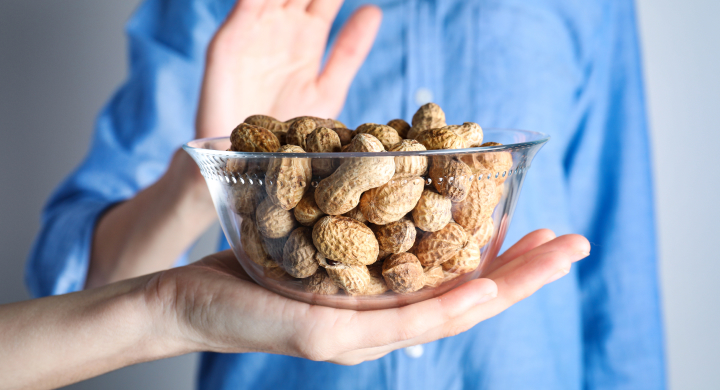
Many parents know how much their children love peanut butter. Making a peanut butter sandwich is very simple and saves time on morning preparations. Unfortunately, for many, the classic childhood lunch of a peanut butter and jelly sandwich is now a thing of the past. Peanut allergies, which are becoming increasingly common, are to blame. Peanut allergies in children are on the rise. Data shows that between 2010 and 2017, peanut allergies in American children increased by 21%. Nearly 2.2 percent of all children in the United States have an allergy to peanuts. This problem isn’t unique to the United States; a similar increase is observed in other Western countries.
This trend is especially critical because peanut allergy is one of the most likely causes of a severe, life-threatening reaction called anaphylaxis. How can you protect your child? In this article, you’ll learn the most important signs of peanut allergy that will alert you to the dangers. Take action promptly by contacting a doctor to learn how to take care of your baby’s health. Read on for more details.
The Severity of Peanut Food Allergies
A peanut allergy can develop into anaphylaxis in minutes—a rapid and life-threatening reaction throughout the body. It requires immediate medical attention.
Symptoms may include:
- Swelling of the lips, tongue, or throat, constricting the airway.
- Difficulty breathing or wheezing, where each breath is labored.
- A sudden loss of strength due to a drop in blood pressure, accompanied by dizziness, paleness, or loss of consciousness.
- A profound sense of anxiety and impending doom.
It is because of this unpredictability and severity that peanuts are among the top eight allergens, and their presence should be clearly labeled on all food packaging. Living with this allergy requires vigilance. Peanuts can hide in the most inconspicuous foods: sauces and glazes, baked goods and candies, Asian and other ethnic cuisines. Even minimal amounts of food contaminated by shared equipment or utensils can trigger a reaction. Therefore, knowledge and attention become true allies in everyday life.
Why Are Allergies Becoming More Common?
There is no single, correct answer to this question. Scientists agree that the rapid rise in allergies is a complex puzzle, shaped by several interconnected factors of modern life.
1. The Cleanliness Paradox
The irony of our time is that the desire for perfect cleanliness can backfire. According to this hypothesis, sterile living conditions deprive a child’s immune system of essential training. At an early age, exposure to a variety of microbes and bacteria teaches the body to distinguish true enemies from harmless guests. Deprived of this experience, the immune system becomes overly vigilant, attacking harmless substances and triggering allergic reactions.
2. The Role of Vitamin D
Vitamin D is a key regulator of our immune system, helping maintain balance in the body’s defense system. However, modern people spend their time in offices and at home, actively using sunscreen. This lifestyle has led to a widespread deficiency of this “sunshine vitamin.” A weakened immune system, weakened by its deficiency, loses its resilience and becomes more vulnerable to the development of allergic disorders.
3. Family Heritage
Allergies often become a family trait, passed down from generation to generation. Having one or both parents with any allergic disease significantly increases the risk for children. Scientists have already identified specific gene regions associated with a predisposition to peanut allergy. This opens the way to a deeper understanding of our individual “instructions” laid down by nature. However, the genetic map of allergies still requires further study to piece together a complete picture of hereditary risks.
Peanut Allergy: A Reaction Scale from Warning Signs to Alarm
The insidiousness of this allergy lies in its speed and range of manifestations. A reaction can strike within minutes of exposure to the allergen, ranging from mild discomfort to a life-threatening struggle. Here are the peanut allergy symptoms you should definitely familiarize yourself with.
The onset may seem insignificant: harmless hives on the skin, a nagging itch or slight tingling on the tongue, or barely noticeable swelling of the lips or eyelids. Abdominal cramps, nausea, or a sudden fit of sneezing may accompany these. These symptoms are an important way your immune system communicates with you.
However, sometimes these reactions develop into life-threatening anaphylaxis. Breathing becomes heavy, wheezing, and an invisible, tightening lump appears in the throat. The world around you spins with dizziness. Your body weakens, and your consciousness becomes clouded. This is a sharp drop in blood pressure. Sometimes it leads to fainting. In this situation, every second counts. Any delay is risky. The first and most immediate action should be an adrenaline (epinephrine) injection. Then, immediately call emergency services. Be vigilant!
Allergy Management
Interestingly, peanuts are not nuts but legumes, like peas or soybeans. However, peanut proteins often cause cross-reactions with actual nuts. Such a characteristic makes this allergy particularly insidious.
The increasing incidence of peanut allergies necessitates a proper diagnosis and a well-designed life strategy. Avoid acting on fear and assumptions. Lifelong abstinence from an entire food group without a precise medical diagnosis can be unnecessary and emotionally draining.
Just visit a specialist. An allergist will conduct safe, controlled tests that will provide an accurate diagnosis. You will work together to develop a personalized management plan that will become your reliable guide.
What Should You Do if Your Child Has an Allergy?
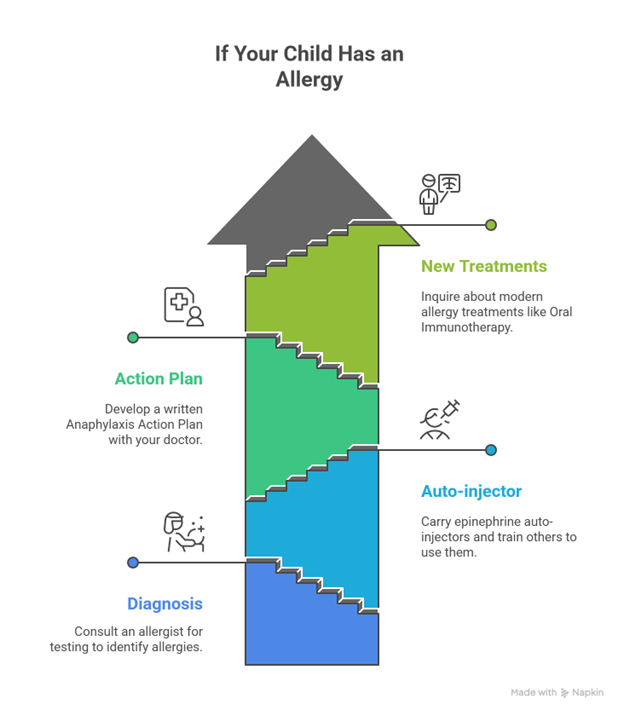
Consult a pediatric allergist. Special, child-safe tests (skin tests or a blood test for specific IgE) will provide an accurate answer and avoid unnecessary restrictions. Explain to your child in an accessible manner what “dangerous food” is and why it’s not okay to share treats with friends. Teach your child to tell an adult if they feel an itchy mouth or nausea. Make your home a safe place. Read labels carefully and implement a “clean surfaces” rule when preparing food. Discuss the diagnosis with caregivers, teachers, and the parents of friends. Create a clear reminder for them of the symptoms and an action plan.
The autoinjector is your most important item. All adults around your child should know where it is and how to use it. Older children should always have it with them, and younger children should have it easily accessible under adult supervision. Develop a written “Anaphylaxis Action Plan” with your doctor.
Don’t let allergies define your child. Don’t cultivate a sense of “specialness” because of their illness. Instead, praise them for their responsibility and for speaking up about their condition. Let them know that they can live a vibrant, active, and happy life. These actions will become habits. Your child will safely explore the world.
Peanut Allergy Treatment
The basic principle of treating peanut allergy is strict dietary elimination. However, modern medicine also recommends actively strengthening the body’s defenses. This reduces the risks of accidental exposure to the allergen.
Immunotherapy aims to “train” the immune system so that it no longer perceives peanut protein as a dangerous enemy. This process is known as desensitization. Oral immunotherapy involves regularly receiving microscopic, gradually increasing doses of peanut protein under strict medical supervision. The goal is to raise the sensitivity threshold and significantly reduce the severity of the reaction in the event of accidental consumption.
Another innovative method is the use of monoclonal antibodies. This treatment works differently. It acts as a “shield” in the blood. It binds to immune proteins (IgE) that trigger the allergic reaction. This makes the immune system much less sensitive to peanuts.
Always have an adrenaline (epinephrine) autoinjector. This is the only remedy that can quickly stop the development of anaphylaxis.
Conclusion
Peanut allergy is a serious but manageable condition. Living with it requires awareness, but it doesn’t mean giving up the joys and fullness of life. The key to safety and peace of mind is an accurate diagnosis, a plan of action developed with a specialist, and the willingness to help yourself or a loved one in an emergency. If you or your child is experiencing food allergy symptoms, it’s important not to be left alone with anxiety and guesswork.
Allergy & Asthma Associates of Southern California understands your concerns and is ready to be your trusted partner in addressing this challenge. Our doctors help thousands of families in Southern California breathe deeply and live without fear of allergic reactions. We offer state-of-the-art diagnostics, personalized treatment plans, and support every step of the way.
Trust your family’s health to recognized experts and your neighbors. Schedule a consultation with Allergy & Asthma Associates of Southern California today.


